
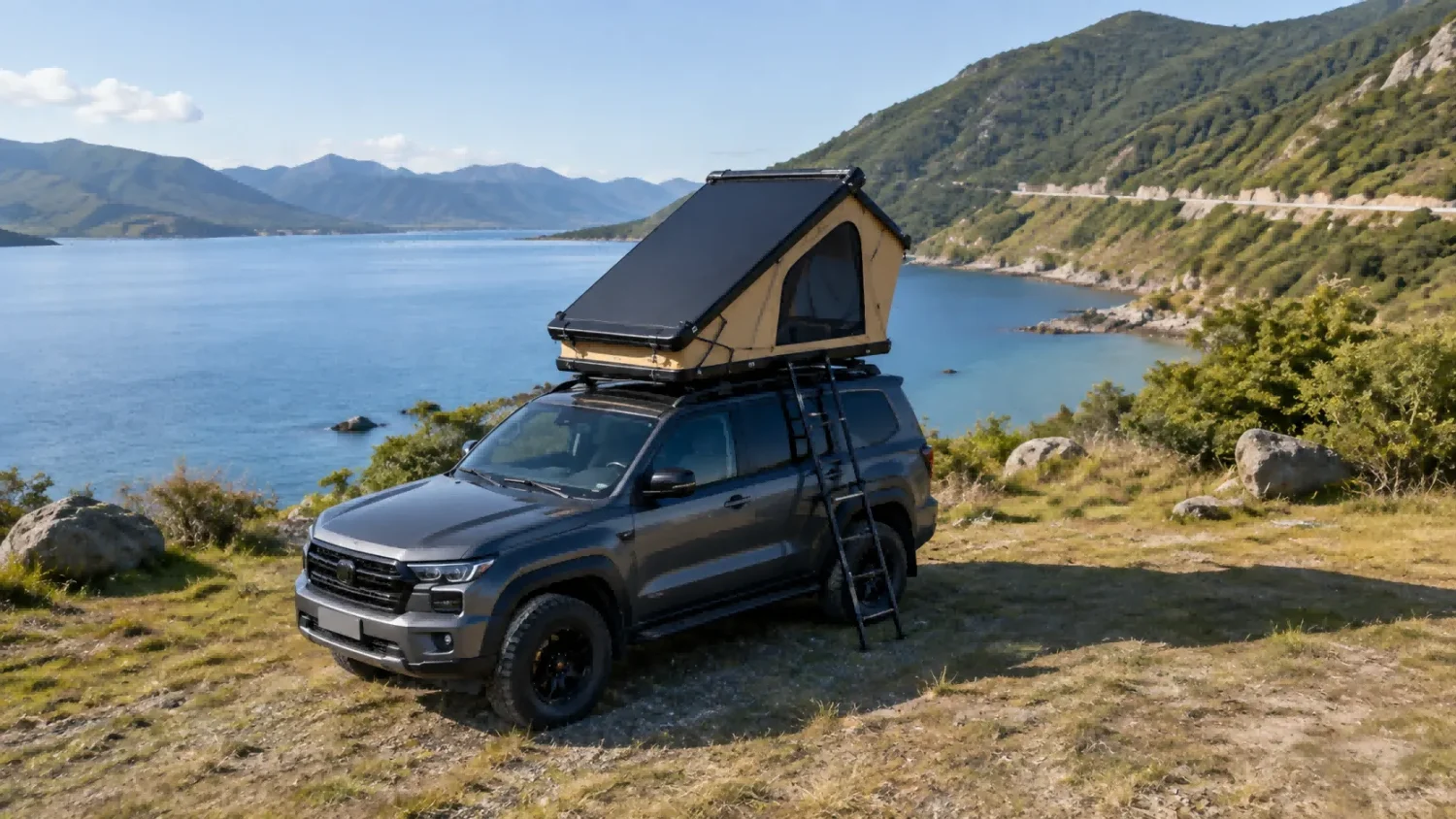
Rooftop Tents
We offer a wide range of custom rooftop tents, including hard shell, soft shell, fold-out, and overland camping designs for different vehicles and outdoor markets. Each model can be tailored with your preferred fabric, shell material, size, colour, accessories, and branding details to meet OEM, ODM, and wholesale requirements. Explore our rooftop tent range to build a reliable product line for your customers.
Rooftop Tents Types
Choose the rooftop tent structure, shell material, capacity and product positioning that best fits your market and vehicle applications.
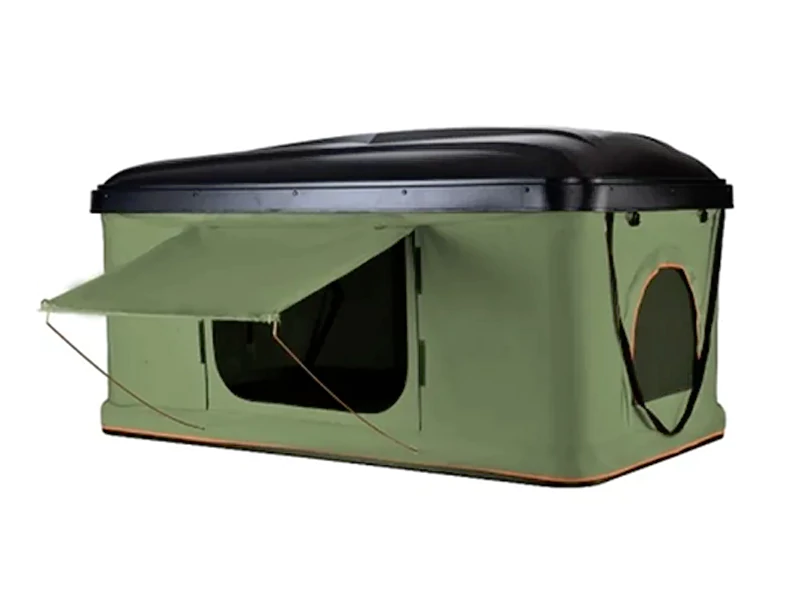
Hard Shell Rooftop Tents
Fast setup, compact profile and durable shells for premium outdoor brands.
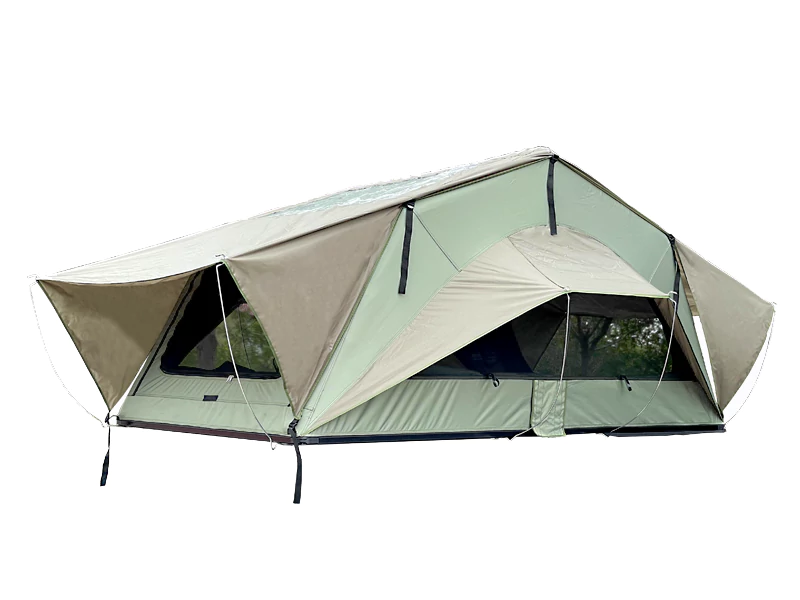
Soft Shell Rooftop Tents
Spacious fold-out designs for families, distributors and value-focused ranges.
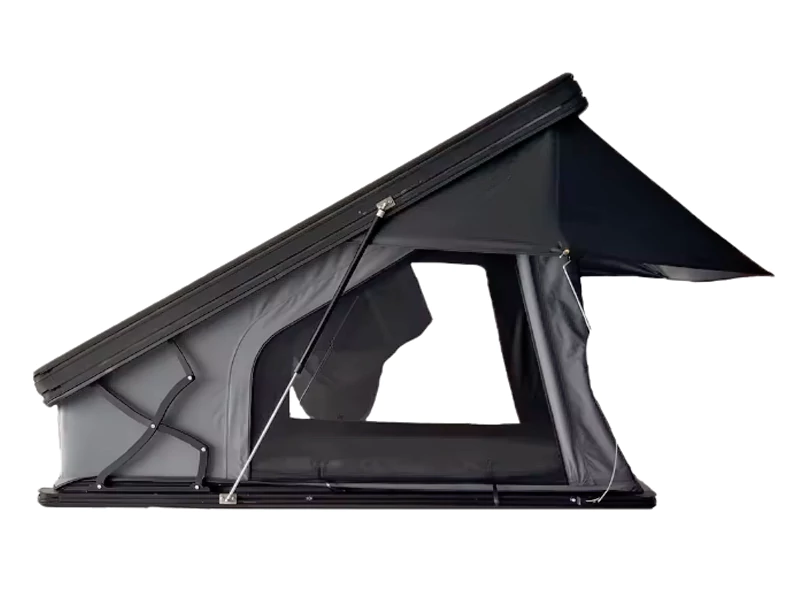
Clamshell Rooftop Tents
Aerodynamic wedge designs built for overlanding and quick overnight stops.
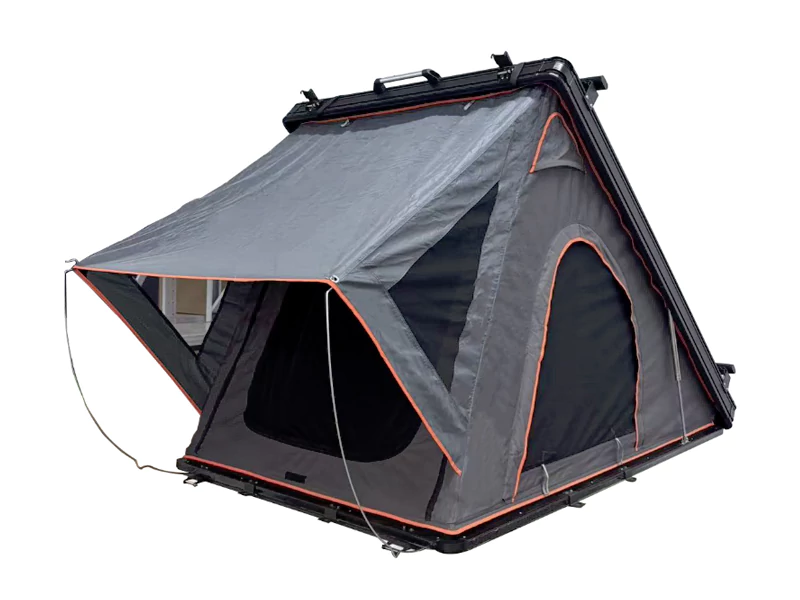
Ultra-Slim Rooftop Tents
Low-profile models for modern SUVs, pickups and fuel-conscious travelers.
How to Choose the Right Rooftop Tent
Choosing a rooftop tent is not just about appearance or sleeping capacity. The right model should match your vehicle, roof or rack system, load capacity, tent size, number of sleepers and intended use.
Vehicle Make, Model & Year
Start with the exact vehicle make, model and year. Roof design, dimensions and load specifications can vary between different generations of the same vehicle.
Roof Rack & Load Capacity
Check whether your vehicle uses factory rails, crossbars, a platform rack or a pickup bed rack, and confirm the rated capacity of the complete mounting system.
Rooftop Tent Weight & Size
Compare the tent's net weight, closed dimensions and mounting footprint with your vehicle and rack system. Larger is not always better if roof space or load capacity is limited.
Sleeping Capacity
Choose the sleeping area based on actual mattress dimensions and the number of users instead of relying only on a stated 2-, 3- or 4-person label.
Tent Type & Opening Style
Hard shell, soft shell, clamshell, pop-up and fold-out rooftop tents provide different setup speeds, packed profiles and interior sleeping space.
Intended Use
Weekend camping, family travel, overlanding and frequent touring can require different tent structures, weights and levels of setup convenience.
Not Sure Which Rooftop Tent Fits Your Vehicle?
Tell us your vehicle make, model, year, roof rack setup and number of sleepers. Our team will help you compare suitable rooftop tent sizes, weights and structures for your vehicle.
Rooftop Tents for Different Vehicles and Uses
Different vehicles, rack systems and travel styles need different rooftop tent sizes, weights and structures. Start with how and where you plan to use the tent.
Rooftop Tents for SUVs
Compare tent weight, rack compatibility, packed dimensions and vehicle roof-load requirements.
Rooftop Tents for Pickup Trucks
Models for roof racks, bed racks, canopies and common pickup-based camping setups.
Rooftop Tents for Overlanding
Quick-setup and rugged product platforms for frequent travel and extended outdoor use.
Lightweight Rooftop Tents
Lower-weight options for customers who need to manage total vehicle roof load.
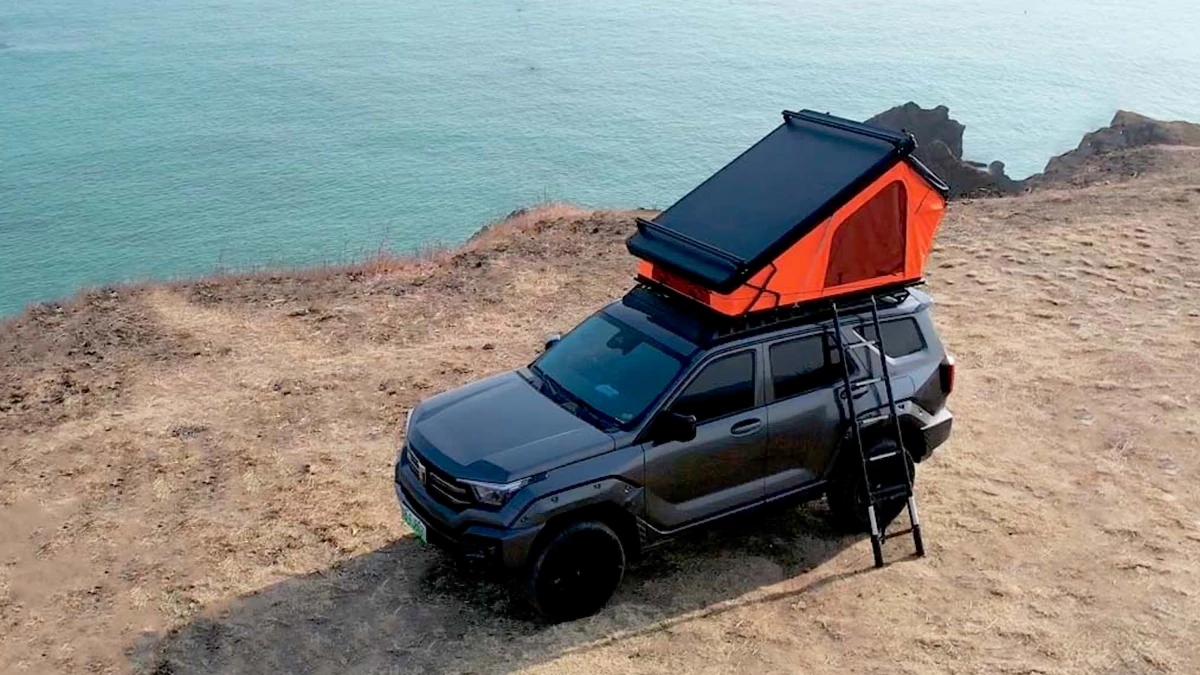
OEM & Private Label Rooftop Tents
We support rooftop tent sourcing and customization for outdoor brands, importers and distributors. Depending on the model and project requirements, selected product details can be adapted to match your market positioning.
For new projects, share your target market, preferred tent structure, expected quantity and branding requirements. Our team can help evaluate suitable existing models or discuss a customized product direction.
Rooftop Tent Manufacturing & Quality Control
Material Preparation
Incoming materials and components are checked according to confirmed product and order requirements.
Cutting & Sewing
Tent bodies, rainflies, mesh panels and textile components are prepared for assembly.
Product Assembly
Shells, frames, hinges, gas struts, mattresses, ladders and mounting components are assembled.
Functional Inspection
Key dimensions, opening and closing mechanisms, hardware and overall assembly are checked.
Product-Specific Checks
Waterproof-related checks and other agreed inspection items can be applied according to model and project requirements.
Final Inspection & Packaging
Finished products are inspected and packed for international transportation according to the confirmed order.
Key Rooftop Tent Specifications to Compare
Open Size
Determines the usable sleeping platform and interior space after setup.
Closed Size
Affects packed height, vehicle profile, warehouse space and shipping efficiency.
Net Weight
Must be evaluated against vehicle and rack capacity before installation.
Shell Material
Influences styling, structural design, target positioning and product weight.
Tent Fabric
Compare fabric composition, construction, coatings and intended weather conditions.
Mattress
Review dimensions, thickness, material and how much usable interior space it provides.
Ladder
Check ladder type, extension range, mounting position and vehicle-height compatibility.
Mounting System
Confirm mounting rails, brackets, crossbar requirements and installation clearances.
Packaging Size
Important for container loading, storage costs and international freight planning.
Sleeping Capacity
Use actual mattress dimensions to evaluate comfort rather than relying only on person count.
Setup Method
Clamshell, pop-up and fold-out structures create different setup experiences.
Accessories
Annex rooms, awnings, storage, lighting and other options can change the product package.
Rooftop Tent FAQs
Quick answers to common product, vehicle, installation and OEM questions. Link to the full FAQ hub for more detailed topics.
What are the main types of rooftop tents?
The main categories include hard shell, soft shell, clamshell, pop-up and fold-out rooftop tents. They can also be grouped by shell material, sleeping capacity, weight and vehicle application.
How much does a rooftop tent weigh?
Weight varies by structure, shell material, size and included components. Always compare the specific tent weight with the vehicle manufacturer’s roof-load rating and the capacity of the rack or crossbars.
What is the difference between hard shell and soft shell rooftop tents?
Hard shell models are usually selected for faster setup and a compact packed profile, while soft shell and fold-out models can provide more sleeping area relative to their packed footprint.
Are aluminum or ABS rooftop tents better?
Neither material is automatically best for every application. Aluminum and ABS provide different options in structure, weight, styling and market positioning, so the right choice depends on the specific product and target customer.
Can any vehicle use a rooftop tent?
No. Vehicle roof design, manufacturer roof-load specifications, roof rack capacity, mounting area and tent weight should all be checked before installation.
Do rooftop tents require roof racks or crossbars?
Most rooftop tents require compatible crossbars, a platform rack, roof rack or pickup bed-rack system with suitable mounting points and rated capacity.
Can rooftop tents be customized?
Depending on the model and order requirements, selected details may include branding, shell colors, tent fabric, packaging, accessories and other specifications.
Do you support wholesale, OEM and private label projects?
Yes. We support B2B rooftop tent projects for outdoor brands, importers and distributors. Contact us with your target product, market, estimated quantity and customization requirements for project evaluation.
Not Sure Which Rooftop Tent Fits Your Vehicle?
If you are unsure about the right tent size, roof load, mounting system or whether a rooftop tent is suitable for your vehicle, tell us what you drive. We will help you compare suitable rooftop tent options based on your vehicle and intended use.